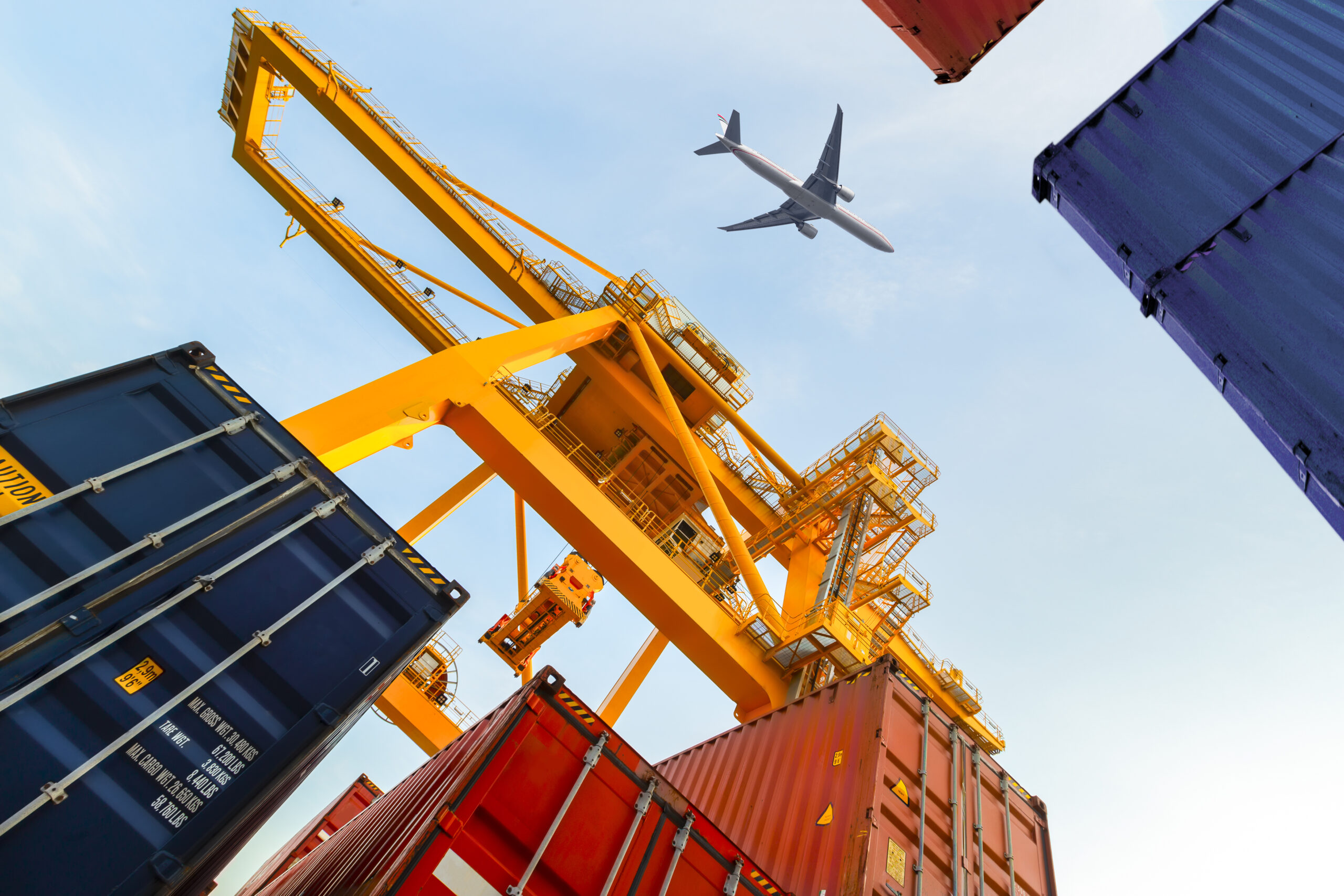
Choosing the best customs brokerage firm can guarantee a smooth process when importing goods into the Philippines. They help you navigate the Bureau of Customs (BOC) regulations with precision. As an importer, you want to avoid even the minor documentation errors or compliance oversights that often result in port delays, demurrage charges, or penalties. That is why it’s a-must to find the right customs brokerage firm that provides expert advice, solutions, handling and processing of your import needs.
Below are four common mistakes importers encounter—and the steps needed to keep shipments moving efficiently.
1. Misclassifying HS Codes: A Mistake No Customs Brokerage Expert Should Make
- The Problem: The Harmonized System (HS) code determines the applicable tariff rates, duties, and taxes. Selecting an incorrect code leads to duty miscalculations. Consequently, it triggers customs holds and formal audits.
- The Solution: Verify commodity classifications prior to shipping. Professional tariff consultation ensures compliance with the latest Philippine Tariff Commission guidelines. Connect with a licensed customs broker now.
2. Incomplete Commercial Documentation: A Detail Customs Brokers Urge Importers Not to Overlook
- The Problem: Missing data on commercial invoices—such as precise item descriptions, unit values, origin declarations, or Incoterms—prevents customs officers from completing valuation assessments.
- The Solution: Ensure invoices detail exact specifications, brand names, serial numbers (when applicable), and clear terms of sale (e.g., FOB, CIF) before goods depart the origin port.
3. Overlooking Regulated Import Permits
- The Problem: Many commodities require clearance from specific Philippine government agencies prior to arrival. Specifically, Importing regulated goods without prior permits risks shipment seizure or mandatory re-exportation.
- Food, Cosmetics, & Pharmaceuticals: Require Food and Drug Administration (FDA) clearance.
- Telecommunications & Electronics: Require National Telecommunications Commission (NTC) permits.
- Agricultural & Plant Products: Require Bureau of Plant Industry (BPI) permits.
- The Solution: Conduct a pre-import compliance check to secure necessary Import Clearance Certificates (ICC) or permits before dispatch. Your customs broker will provide you the guidelines.
4. Discrepancies in Cargo Valuation
- The Problem: Declaring values below actual transactional costs to lower tax obligations creates major compliance flags. Needless to say, this is because the Bureau of Customs cross-references entries against reference databases, and discrepancies result in re-assessments and hefty fines.
- The Solution: Provide accurate, verifiable transaction records, such as proof of payment, purchase orders, contracts matching the entry declaration.
Streamline Your Clearance with BBBC Job Global Logistics
Customs compliance requires dedicated expertise. BBBC Job Global Logistics provides end-to-end customs brokerage and freight services to ensure fast, compliant clearance at all major Philippine ports and airports.
- Pre-Entry Verification: Tariff classification and documentation review before arrival.
- Permit Handling: Assistance with regulatory agency clearances (FDA, NTC, etc.).
- Direct BOC Filing: Seamless electronic lodge and import processing.
Planning an upcoming import?
Contact the BBBC Brokerage Team today for a consultation on your customs clearance requirements.
Follow us on Facebook for more expert import tips.